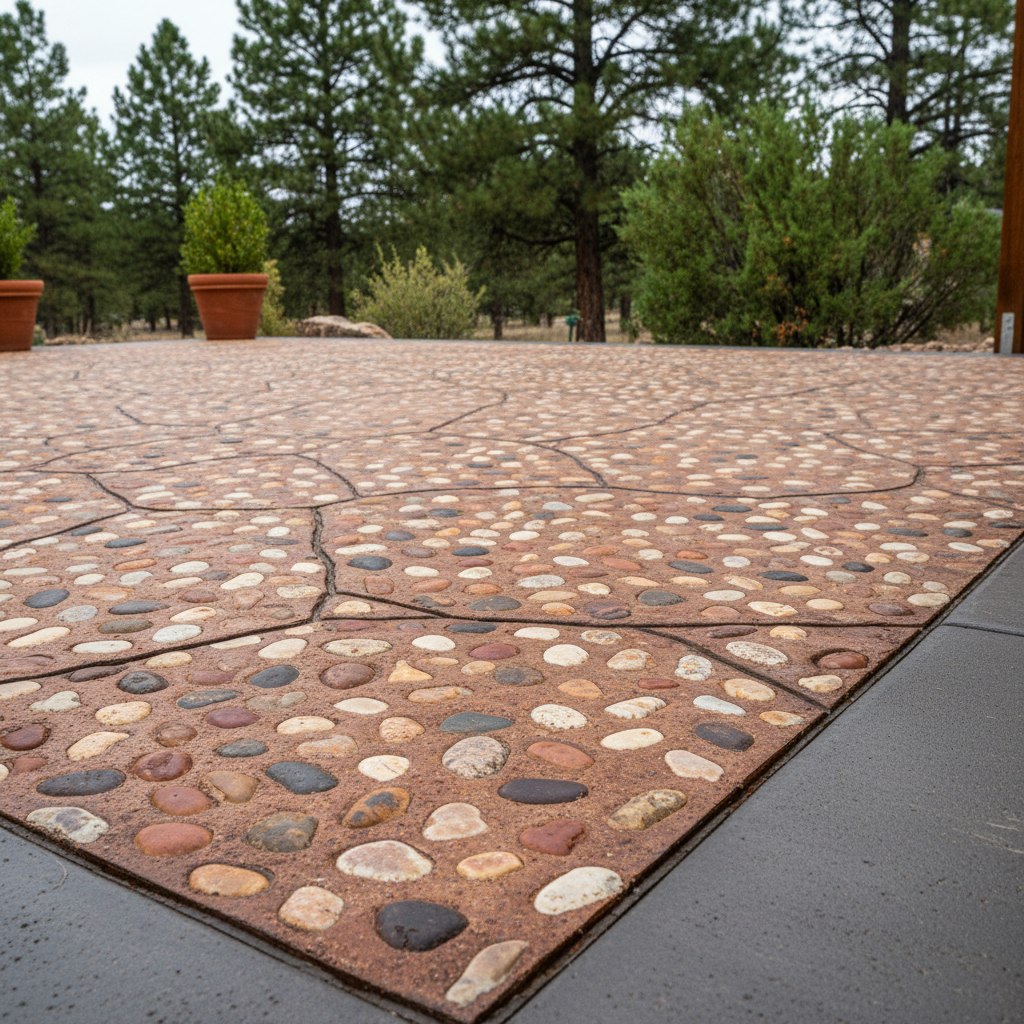
So, you're thinking about some decorative concrete for your place, huh? Maybe it's a cool new patio, a walkway with some real flair, or even an interior floor that truly pops. It's a fantastic way to add value and curb appeal, especially up here in Flagstaff, where we really appreciate things that look good and stand up to our wild weather. But before you jump in, let's chat about what's involved and whether you should grab your tools or just pick up the phone.
Before You Start: Planning & Design
This is where you really need to put on your thinking cap. Decorative concrete isn't just about pouring gray stuff; it's all about color, texture, and pattern. You've got plenty of options: stamped concrete, acid staining, colored concrete, or even exposed aggregate. Each one gives a totally different look and feel, you know?
First off, decide on the style you're going for. Do you want something that looks like natural stone, wood, or brick? Or maybe a sleek, modern, polished concrete vibe? Take a look at some examples, get some ideas flowing. Think about how it'll fit with your existing home and landscaping. For instance, if you've got a rustic cabin up in Kachina Village, a flagstone stamp might be absolutely perfect. If you're in a more modern build downtown, a polished finish could be just the ticket.
Next, consider where it's going. Is it a small patio? A long driveway? An interior floor? The size and location will really influence what makes sense for DIY versus professional work. A small, simple stained concrete pad? Maybe you can handle that. But a complex, multi-level stamped patio with intricate patterns and borders? That's almost certainly pro territory, no doubt about it.
The "During" Phase: Execution & Hard Truths
Alright, let's get down to the nitty-gritty. This is where the rubber meets the road, or more accurately, where the concrete meets the ground.
What You Might DIY (with caution):
- Small Staining Projects: If you're just staining an existing, structurally sound concrete slab – maybe a small shed floor or a very simple patio – and you're careful with prep and application, you *might* be able to pull it off. You'll need to clean the surface really well, apply the stain evenly, and then seal it properly. Definitely practice on a scrap piece first.
- Basic Concrete Sealing: This is more about maintenance than initial decorative work, but it's super important for protecting any decorative concrete. Cleaning and resealing your decorative concrete every few years is absolutely something you can do yourself. Just make sure you use the right type of sealer for your specific concrete and climate.
- Minor Color Additions (Existing Concrete): Sometimes you can add color washes or tints to existing concrete for a subtle change. Again, small areas, good prep, and practice are key here.
When to Call a Pro (almost always):
Let's be real. Most decorative concrete projects, especially anything involving new pours, stamping, or complex finishes, are best left to folks like us at Flagstaff Concrete Paving. Here's why:
- New Pours: Getting the base right, the concrete mix perfect, and the pour smooth and level is tough. Add in color or stamping, and you've got about a 30-minute window to get it all done before the concrete starts setting. There's just no do-over.
- Stamped Concrete: This is truly an art form. You need specialized tools (stamps, release agents, texturing skins), experience with timing, and a crew to work quickly and efficiently. One wrong step, and you've got a permanent mistake.
- Acid Staining (Large Areas/New Concrete): While small existing areas might be DIY-able, getting consistent color and pattern on a large new slab with acid stain is tricky. It reacts differently to various concrete compositions, and getting a uniform look takes real skill.
- Polished Concrete: This requires heavy-duty grinding and polishing equipment that most homeowners don't have, let alone know how to operate effectively.
- Any Project with Structural Needs: Driveways, foundations, or anything supporting weight needs professional expertise to ensure proper sub-base preparation, reinforcement, and drainage.
The biggest risk with DIY decorative concrete is that if you mess it up, it's not like painting a wall you can just repaint. You're usually looking at expensive demolition and repouring, which costs way more than hiring a pro in the first place.
After It's Done: Care & Maintenance
Whether you DIY'd a small project or had us handle a big one, maintenance is critical for decorative concrete, especially with our freeze-thaw cycles here in Flagstaff. You've got to protect your investment.
The main thing is sealing. Most decorative concrete, especially stamped or stained, needs to be sealed. This protects it from moisture, UV rays, stains, and abrasion. How often? It depends on the sealer type and how much traffic it gets, but generally every 2-5 years. You'll know it's time when water stops beading on the surface.
Keep it clean. Sweep off debris regularly. For tougher spots, a mild detergent and a stiff brush usually do the trick. Avoid harsh chemicals or power washers on too high a setting, as they can damage the sealer or even the concrete itself.
Be mindful of de-icers in winter. Many common de-icing salts can be really hard on concrete, especially sealed decorative surfaces. Look for de-icers that are concrete-safe, or stick to sand for traction. We get a lot of snow, so this is a big one to remember.
Ultimately, decorative concrete is a fantastic choice for adding beauty and durability to your home. Just know your limits, plan carefully, and don't be afraid to call in the experts when the job calls for it. It'll save you headaches and money in the long run.