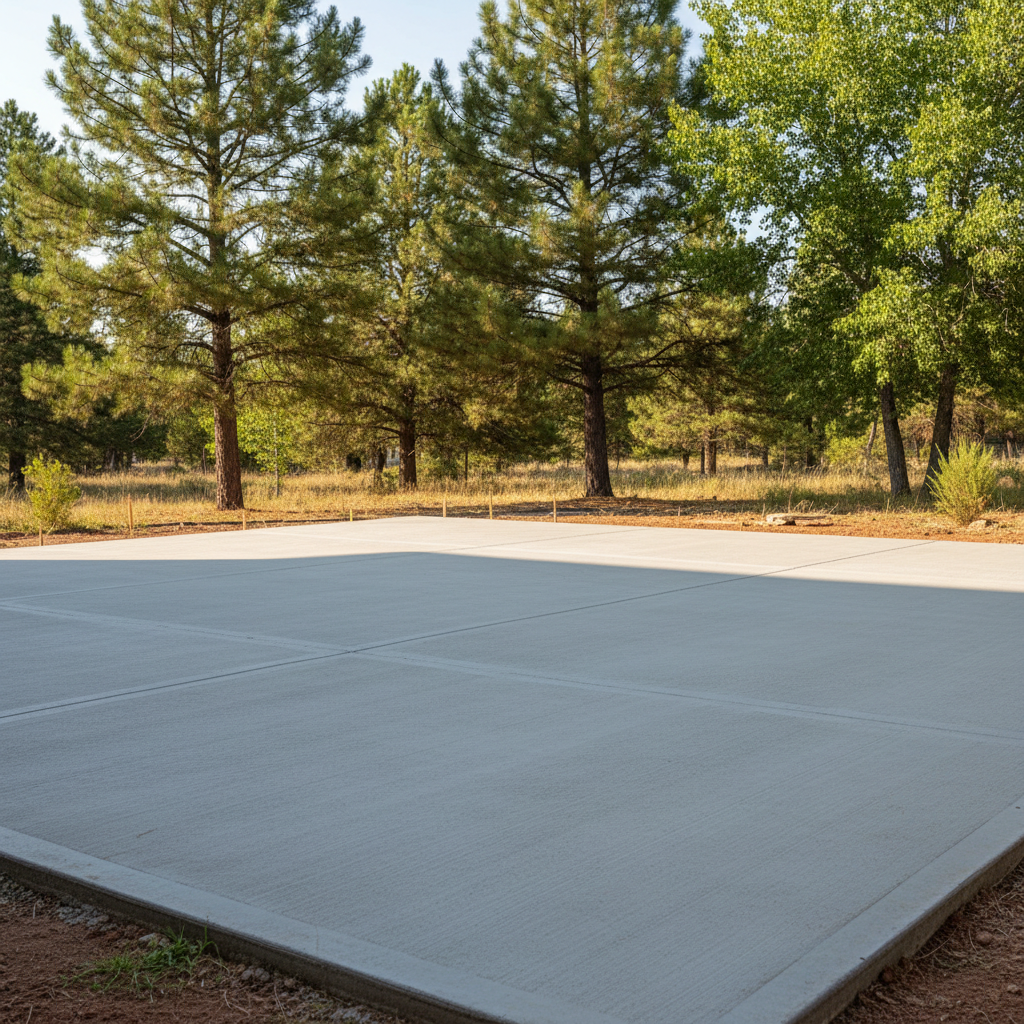
What's the deal with concrete cracking? Is it normal, or did I get a bad job?
Alright, let's just get this out of the way: concrete cracks. It's just a fact of life with the material, plain and simple. Anyone who tells you their concrete will *never* crack is either pulling your leg or doesn't know a whole lot about concrete. See, the goal isn't to stop cracking entirely; it's to control *where* those cracks happen. That's exactly what control joints are for.
We saw-cut or tool these joints right into the concrete. This creates weakened planes, and the idea is pretty straightforward: if the concrete is going to shrink or expand (and it will!), it'll crack along those lines. This keeps everything looking neat and prevents those ugly, random fissures from popping up all over the place.
Now, if you're seeing wide, uneven cracks, or cracks that are spalling—you know, flaking apart—that's a different story altogether. That could point to problems with the sub-base preparation, maybe an improper mix, or even issues during the curing process. But hairline cracks, especially if they're following those control joints? That's usually just concrete doing its thing. Here in Flagstaff, with our wild temperature swings—freezing nights and warm days—concrete is constantly expanding and contracting. That makes good joint placement even more critical, wouldn't you agree?
How long does concrete take to cure, and when can I drive on it?
This is a big one, and people often get a little impatient. Concrete doesn't just dry out; it actually cures, which is a chemical process. While it might look hard after a day or two, it's nowhere near its full strength yet. Generally, you can walk on new concrete after about 24-48 hours, though that depends on the mix and the weather conditions. For light vehicle traffic, like your car in the driveway, I usually recommend waiting at least 7 days. But honestly, 10-14 days is even better if you can manage it.
For heavy vehicles, like an RV or a moving truck, you really want to give it a full 28 days. That's when it reaches its design strength. Rushing things can lead to permanent damage, like tire marks, spalling, or even structural issues if the concrete isn't strong enough for the load. It's definitely worth the wait, believe me.
Do I need to seal my concrete? How often?
Absolutely, yes, you should seal your concrete, especially here in Flagstaff. Think of sealing as putting a protective layer on your concrete. It really helps keep moisture out, which is a huge deal when we're talking about freeze-thaw cycles. Water gets into the concrete's pores, freezes, expands, and then thaws, slowly breaking down the surface. A good sealer helps prevent that whole mess.
It also protects against stains from oil, grease, and other spills, plus it can even make cleaning easier. How often, you ask? For most residential flatwork like driveways or patios, I'd say every 2-5 years is a good general guideline. That depends on the sealer type and how much traffic it gets, of course. Some high-quality penetrating sealers might last longer. It’s an investment that significantly extends the life and look of your concrete, truly.
What's the difference between concrete and asphalt for a driveway?
Good question, and one I hear a lot. They're both paving materials, but they're pretty different animals. Concrete is a rigid, durable material made from cement, aggregate, and water. It's strong, lasts a long time, and can handle heavy loads. It also reflects light, which can be a nice bonus in the summer, keeping things a little cooler. On the flip side, it's generally more expensive upfront than asphalt, and as we talked about, it will crack.
Asphalt, on the other hand, is a flexible pavement made from aggregate and bitumen (a petroleum product). It's typically cheaper to install, and it's more flexible, so it's less prone to cracking from movement. However, it needs more frequent maintenance—think resealing every few years—and it softens in hot weather, which can lead to ruts or potholes. It also absorbs heat, making your driveway a heat sink. For our climate, especially in areas like the Doney Park area where you might have heavier vehicles or just want something that holds up better to snow plows and chains, concrete usually wins out in terms of longevity and less ongoing hassle. That's why Flagstaff Concrete Paving primarily works with concrete.
My concrete looks dingy and stained. Can it be cleaned, or does it need to be replaced?
Most of the time, yes, it can be cleaned up pretty well! Before you jump to replacement, try a good cleaning. For general dirt and grime, a pressure washer with a good concrete cleaner can work wonders. For oil stains, there are specific degreasers and poultices that can draw the oil right out of the concrete. Rust stains? Those can also be treated with specialized cleaners. Just make sure you're using products made for concrete and follow the instructions carefully, especially with pressure washers, since you can etch the surface if you're not careful.
If your concrete is severely spalled, pitted, or has major structural cracks, then replacement might be the only real fix. But for surface-level stains and general grubbiness, a thorough cleaning and then a fresh seal can make a huge difference, making it look almost new again. It's worth a shot!
How do I know if I need a new concrete foundation for an addition or shed?
If you're thinking about adding onto your home or putting in a substantial shed, a proper foundation is non-negotiable. You need to consider the weight of what you're building, the soil conditions, and our local frost depth. Here in Flagstaff, our frost depth can be significant, meaning a foundation needs to go deep enough so that the ground freezing and thawing doesn't heave or shift the structure. This usually means digging down at least 18-24 inches, sometimes more depending on the specific site and building code requirements.
You'll need a solid, level, and properly reinforced concrete slab or footings that can bear the load without settling. Trying to cut corners on a foundation is a recipe for disaster down the road—think cracked walls, uneven floors, and structural instability. It's always best to consult with a professional who understands local building codes and can assess your specific project needs to ensure your new structure has a solid base, right?