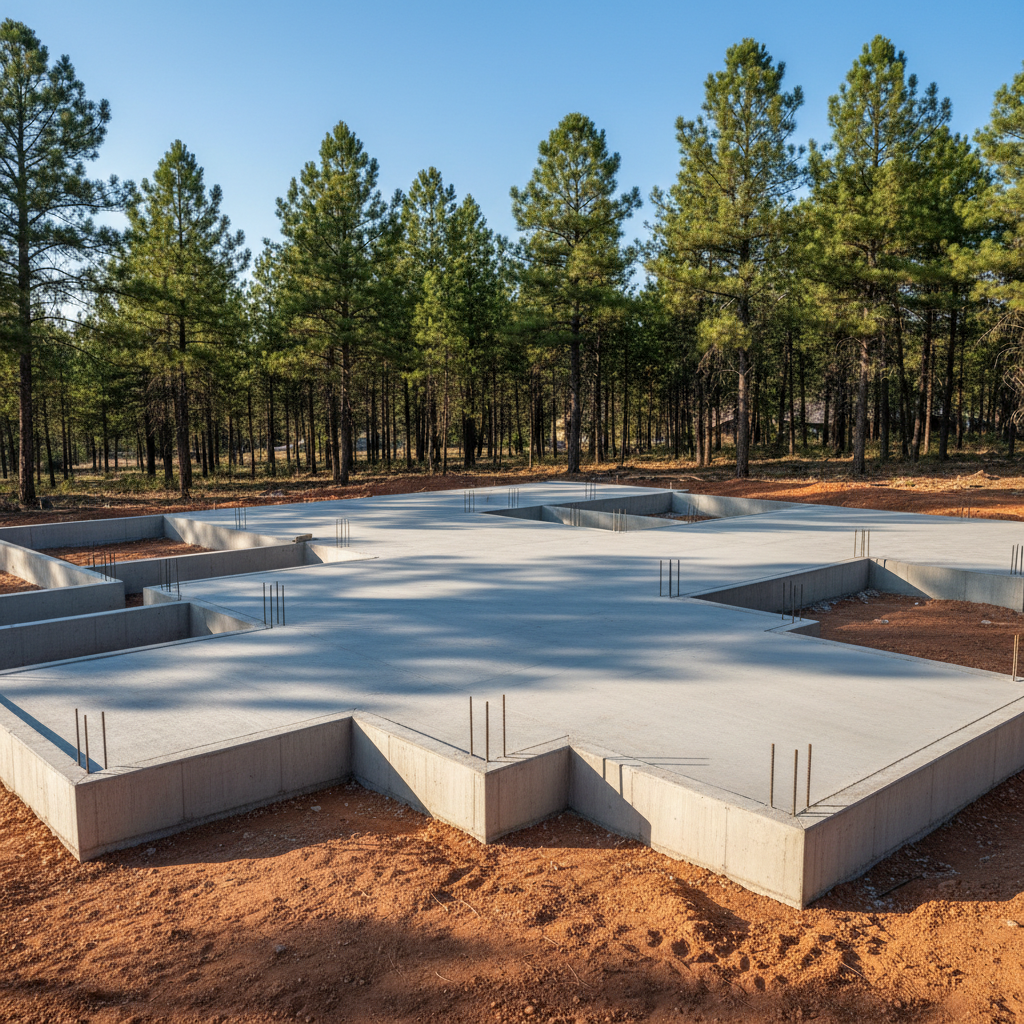
So, you're thinking about a new concrete foundation here in Flagstaff. Maybe it's for a new home addition, a detached garage, or even a shed that needs to stand up to our tough winters. A foundation isn't something you want to cut corners on, and getting it right starts long before the first shovel hits the dirt. I've seen a lot of projects come and go, and the ones that run smoothly always have one thing in common: good planning.
Understanding Your Project Timeline
Let's talk timelines. This isn't a weekend DIY job, and it's not something that happens overnight. From your first call to the final pour, you're looking at a process with several stages. First off, there's the initial consultation and getting a solid quote. That can take a few days, especially if we need to do a site visit and factor in things like access or specific soil conditions – which, around here, can vary wildly from rocky volcanic soil near the Peaks to softer, loamy stuff in areas like Kachina Village. Once you've got a quote you're happy with, then you'll sign the contract and we'll get you on the schedule. Good contractors, like us at Flagstaff Concrete Paving, are usually booked out a bit, especially during our prime building season from late spring through early fall. Don't expect us to show up tomorrow. It's usually a few weeks, sometimes more, depending on the scope and our current workload.
Then comes the actual work. Excavation, setting forms, rebar installation, inspections, and finally, the pour itself. Each of these steps takes time. Weather plays a huge role too; we can't pour concrete in a blizzard, and heavy rain can delay excavation or curing. You're probably looking at a minimum of 2-4 weeks from the scheduled start date to when the concrete is fully cured and ready for the next phase of construction. It's a marathon, not a sprint, and patience pays off with a solid, long-lasting foundation.
What to Expect During the Process
When we start a foundation project, it's a pretty structured process. First, we'll mark out the footprint based on your plans. Then comes the excavation. We'll dig down to the required depth, making sure the subgrade is properly prepared and compacted. This is critical for preventing future settling or cracking. You'll see a lot of dirt moving around, so be prepared for some temporary disruption to your yard.
Next, we install the forms. These are basically temporary walls that hold the wet concrete in place until it sets. We'll also place any necessary rebar or wire mesh. This steel reinforcement is vital for the structural integrity of your foundation, especially with our freeze-thaw cycles here in Flagstaff. Before we pour, there's usually an inspection by the city or county to make sure everything meets code. This is a non-negotiable step, and it's for your protection.
The pour itself is usually a busy day. Concrete trucks will be coming and going, and our crew will be working quickly to get the concrete placed and finished correctly. After the pour, the concrete needs time to cure. This isn't just drying; it's a chemical process that strengthens the concrete. We'll often keep it damp for a few days to ensure proper curing, which helps prevent surface cracks. You'll want to keep people and pets off the fresh concrete during this time.
How to Prepare Your Property
Preparing your property properly can make a big difference in how smoothly your foundation project goes. First, clear the area where the foundation will be built. That means moving any outdoor furniture, planters, garden hoses, or anything else that might be in the way. If there are plants or small trees too close, you might need to relocate them or accept that they'll be impacted.
Make sure we have clear access for our equipment, especially concrete trucks and excavators. If you have a narrow driveway or tight turns, let us know upfront so we can plan accordingly. We'll need access to water and possibly electricity, so point out those hookups. Also, if you have any underground utilities – sprinklers, septic lines, gas lines, electrical conduits – make sure they're clearly marked. It's always a good idea to call 811 before any digging starts to have public utilities located, but private lines on your property are your responsibility to identify.
Finally, communicate with your neighbors. A foundation project can be noisy and dusty, and giving them a heads-up can go a long way in maintaining good relationships.
Questions to Ask Before Signing a Contract
Before you sign on the dotted line, you need to be confident in your contractor. Don't be shy about asking questions. Here are some key ones I'd recommend:
- Can you provide proof of insurance, including general liability and workers' compensation? This protects you if there's an accident on your property.
- What's your estimated timeline from start to finish, including any potential weather delays?
- Do you handle all necessary permits and inspections, or is that my responsibility? (Most reputable contractors will handle permits for you.)
- What's your payment schedule? When are deposits due, and when are progress payments expected?
- What kind of warranty do you offer on your foundation work?
- How do you handle changes or unforeseen issues that might arise during the project? What's the process for change orders?
- Can you provide references from previous foundation clients, especially in Flagstaff?
- What measures do you take to protect my existing landscaping and property during construction?
- What's included in the cleanup after the project is complete?
A good contractor will be happy to answer all these questions clearly and thoroughly. If someone seems evasive or rushes you, that's a red flag. You're making a significant investment in your property, and you deserve to feel good about who you're working with. Do your homework, ask the tough questions, and you'll be well on your way to a solid foundation for your Flagstaff home.