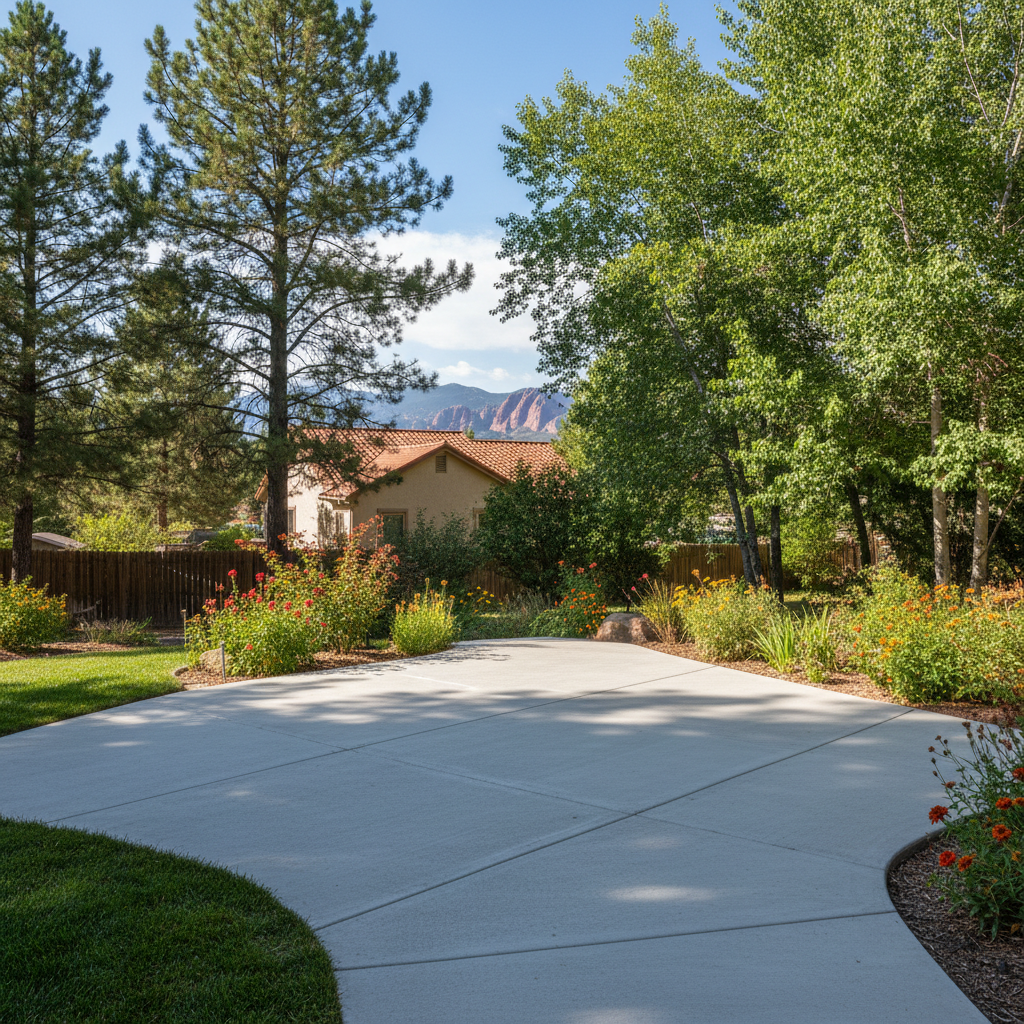
So, you're thinking about pouring some new concrete, maybe a driveway, a new patio, or even a foundation for that shed you've been dreaming about? That's awesome! But here in Flagstaff, you can't just pick any old day on the calendar and expect perfect results. Our weather, well, it's a whole different animal, and it really dictates how concrete sets up and cures properly. Get it wrong, and you're looking at cracks, spalling, or a weak slab that just won't last.
When's the Best Time to Pour Concrete in Flagstaff?
Let's get right to it: Spring, Summer, and early Fall are generally your best bets. But even within those seasons, there are little quirks. What we're really after are consistent temperatures and predictable conditions.
- Late Spring (May-June): This time is often ideal. The ground has thawed completely, daytime temperatures are usually mild (think 50s to 70s), and the nights aren't dipping too far below freezing. You still need to watch for those late-season snow showers, sure, but generally, it's a sweet spot.
- Summer (July-August): Good for pouring, but you've got to manage the heat. On a hot, sunny Flagstaff day, concrete can dry out way too fast, which leads to surface cracking. We'll often pour earlier in the morning or use curing compounds and misting to keep it hydrated. The monsoon season can also throw a wrench in things; you definitely don't want a sudden downpour washing out your fresh pour.
- Early Fall (September-October): Another excellent window. The intense summer heat is gone, and daytime temps are usually perfect. The biggest concern here is making sure the concrete has enough time to cure before sustained freezing temperatures settle in. If you're pouring in late October, we're absolutely keeping a close eye on those overnight lows.
What about winter? For most exterior concrete work, just forget about it. Pouring concrete when temperatures consistently stay below 40°F, especially at night, is just asking for trouble. The water in the mix can freeze before the concrete gains enough strength, leading to significant damage. We're talking about a weak, crumbly mess here. Nobody wants that, and we certainly won't recommend it for most outdoor projects.
Weather Conditions That Affect the Job
It's not just the season; it's the daily forecast. Here's what we, as your concrete pros, are always watching:
- Temperature: As I mentioned, too hot or too cold is bad news. Ideal pouring temperatures are generally between 50°F and 80°F. If it's hotter, we take precautions. If it's colder, we might need to use accelerators or blankets, but below 40°F, it's usually a no-go.
- Wind: A strong, dry wind can speed up evaporation from the concrete surface, even on a mild day. This can lead to plastic shrinkage cracking. We might use windbreaks or apply evaporation retarders.
- Humidity: Low humidity, especially when combined with wind, means faster drying. High humidity slows things down, which isn't always a bad thing, but it means we have to adjust our finishing schedule.
- Rain/Snow: This one's pretty obvious. You can't pour concrete in the rain or snow. It dilutes the mix, weakens the slab, and washes away the cement paste. We always check the forecast, and if there's a good chance of precipitation, we'll reschedule. Sometimes, we can cover a small area, but for larger jobs, it's just not worth the risk.
- Ground Temperature: This is especially important in spring and fall. Even if the air temperature is decent, if the ground is still frozen or very cold, it can pull heat out of the concrete too quickly, affecting its cure. We always check the subgrade.
Protecting Your Concrete Investment Year-Round
Once your beautiful new concrete is in, the work isn't over. You've got to protect that investment, especially with Flagstaff's freeze-thaw cycles. Here are a few tips:
- Curing is Key: We'll handle this part during installation, but proper curing (keeping the concrete moist for several days to weeks) is the single most important thing for strength and durability.
- Seal It: This is non-negotiable in Flagstaff. A good quality penetrating sealer should be applied after the concrete has fully cured (usually 28 days) and then reapplied every 2-3 years. This protects against moisture intrusion, de-icing salts, and helps prevent spalling from those brutal freeze-thaw cycles we get, especially in areas like Cheshire or Forest Highlands.
- Avoid De-Icers with Ammonium Nitrates/Sulfates: These can severely damage concrete. Stick to sand for traction, or use de-icers specifically labeled as concrete-safe (usually calcium chloride or magnesium chloride in moderation).
- Clear Snow Promptly: Don't let snow sit and melt, then refreeze repeatedly on your concrete. Shovel it off.
- Watch for Cracks: Small hairline cracks are normal, but if you see larger, expanding cracks, get them addressed. We offer repair services at Flagstaff Concrete Paving to prevent minor issues from becoming major headaches.
- Keep it Clean: Regular sweeping and occasional washing (with plain water or a mild detergent) helps prevent stains and keeps the surface looking good.
Getting your concrete project done right means understanding our local climate. We've been doing this for years here in Flagstaff, so we know the drill. When you're ready to talk about your next project, give us a call. We'll help you pick the perfect time and make sure it lasts.