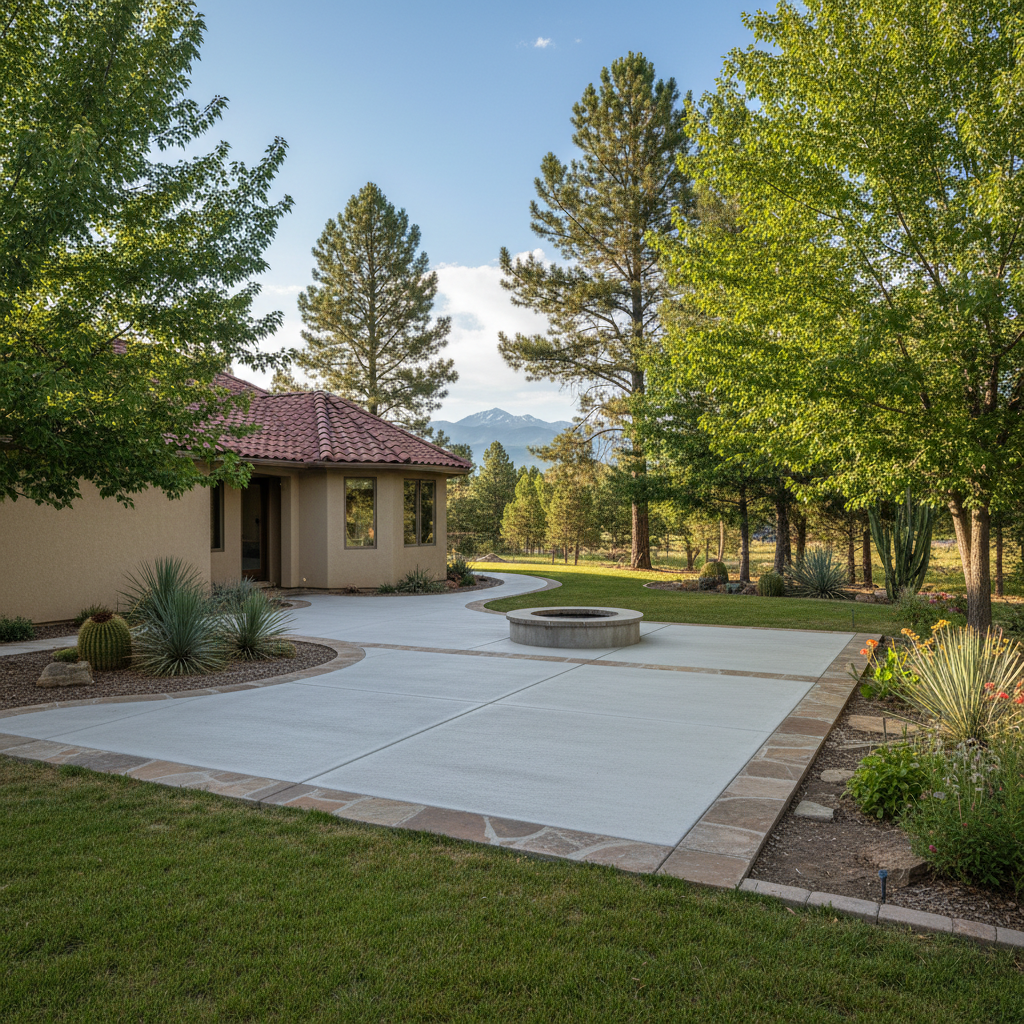
Alright, Flagstaff homeowners, let's talk concrete. Up here at 7,000 feet, our climate isn't just 'different' – it's a whole beast when it comes to pouring, curing, and keeping concrete in good shape. You can't just slap it down any old time and expect it to last. I've seen too many folks learn that lesson the hard way, unfortunately. So, let's get real about what our mountain weather means for your concrete projects and how you can protect your investment.
Timing Your Concrete Project: When to Pour in Flagstaff
When's the absolute best time to pour concrete in Flagstaff? Forget what you might hear about other places; for us, it really comes down to two perfect windows: spring and fall. These seasons offer the most stable, moderate temperatures, which is exactly what concrete needs to cure properly and get super strong.
- Spring (Late April to Early June): Once the ground thaws out and those pesky late-season snows are gone, spring is fantastic. You get mild temperatures, usually between 50°F and 70°F. That's ideal for the chemical reaction that hardens concrete. This gives your new concrete plenty of time to cure before the summer heat really kicks in. The only catch? Spring can be a bit unpredictable with rain, so we always keep a close eye on the forecast.
- Fall (September to Mid-October): For a lot of us pros, fall is actually the sweet spot. The days are usually warm, but not scorching, and the nights are cool but not freezing. This slower, more stable curing process leads to incredibly strong, durable concrete. Plus, you're usually past the monsoon rains and before the heavy snows, giving the concrete ample time to gain strength before winter's freeze-thaw cycles hit hard.
Weather Conditions That Affect Concrete Work
It's not just about the season; it's about the daily conditions, too. Concrete doesn't just 'dry out'; it cures through a chemical reaction that needs the right temperature and moisture.
- Temperature Swings: This is a big deal in Flagstaff. We can have 30 to 40-degree temperature swings between day and night, even in summer. If it's too hot, concrete can dry too quickly, leading to shrinkage cracks and a weaker surface. If it's too cold, curing slows way down, and the concrete won't get strong enough. The ideal range is generally 50-70°F.
- Monsoon Season (July-September): Our summer monsoons bring intense, sudden downpours. You absolutely cannot pour concrete in the rain. It dilutes the mix and weakens the final product. Plus, standing water on a new slab can cause all sorts of problems. We have to schedule carefully around these storms, or sometimes even push back a pour if a big one is rolling in.
- Wind: Believe it or not, wind can be a problem. Strong gusts can speed up evaporation from the concrete surface, causing it to dry too quickly and potentially crack. On windy days, we might use windbreaks or curing compounds to manage this.
- Winter & Freeze-Thaw Cycles: This is the biggest challenge we face here. Flagstaff experiences over 100 freeze-thaw cycles a year. Water gets into tiny cracks and pores in the concrete, freezes, expands, and then thaws, widening those cracks. Pouring concrete when temperatures are consistently below 40°F is a no-go unless you're taking extreme, expensive measures like heating the ground and using insulated blankets. It's just not practical for most residential projects.
Protecting Your Concrete Investment Year-Round
Once your concrete is in, the work isn't over. Flagstaff's climate demands ongoing care to make sure your investment lasts. At Flagstaff Concrete Paving, we build things to last, but you've got a role to play too.
Sealing is Non-Negotiable
This is probably the single most important thing you can do. Our intense UV rays, heavy snowmelt, and those relentless freeze-thaw cycles are brutal on untreated concrete. A high-quality penetrating sealer protects against moisture intrusion, stains, and UV damage. I recommend sealing new concrete within the first year and then every 2-5 years, depending on the type of concrete and how much traffic it sees.
Drainage Matters
Pooling water is the enemy of concrete. Whether it's from monsoon rains or melting snow, standing water will find its way into your concrete and accelerate damage, especially with our freeze-thaw cycles. Make sure your property has proper drainage away from concrete surfaces. If you see water pooling on your patio or driveway, that's a red flag you need to address.
Winter Care
When winter hits, be smart about snow and ice removal. Avoid using de-icers that contain ammonium nitrates or sulfates, as these can damage concrete. Shovel snow promptly to reduce the amount of time moisture sits on your concrete. If you have to use a de-icer, look for concrete-safe alternatives.
Address Cracks Early
Even with the best installation and care, small cracks can sometimes appear. Don't ignore them! Small cracks can become big problems quickly in our climate, as water gets in and the freeze-thaw cycle goes to work. Get them repaired professionally to prevent further damage and extend the life of your concrete.
Look, concrete is tough, but it's not indestructible, especially not in Flagstaff. By understanding our local climate and taking these seasonal steps, you'll keep your concrete looking good and performing strong for decades. If you've got questions or need a hand with a project, you know who to call.