Do I need rebar or mesh in my concrete sidewalk here in Flagstaff?
Oh, absolutely, you do. This isn't really an option, especially with our climate. We get those wild temperature swings, you know, from freezing nights to warm, sunny days, sometimes all within 24 hours. That constant expansion and contraction really stresses concrete out. Rebar (usually #3 or #4, depending on the slab thickness and what you expect it to hold) or welded wire mesh (WWM) gives the concrete tensile strength, which plain concrete just doesn't have much of. It helps hold the slab together if it cracks, stopping those cracks from getting wider and turning into trip hazards. Think of it like the skeleton of your sidewalk, keeping everything in line even when the ground shifts a bit or the temperature goes a little crazy.
How thick should my concrete sidewalk be?
For most residential sidewalks, 4 inches is pretty standard. That's usually plenty strong for people walking, bikes, and even the occasional light maintenance equipment. Now, if you're planning on driving anything heavier over it regularly – say, a utility vehicle, or if it's going to be an access path for big deliveries – then we'd definitely talk about going to 5 or even 6 inches. But for a typical path around your house or leading to your front door, 4 inches with proper reinforcement is exactly what you want. Any thinner, and you're just asking for trouble down the line, aren't you?
What's the deal with control joints and expansion joints? Are they really necessary?
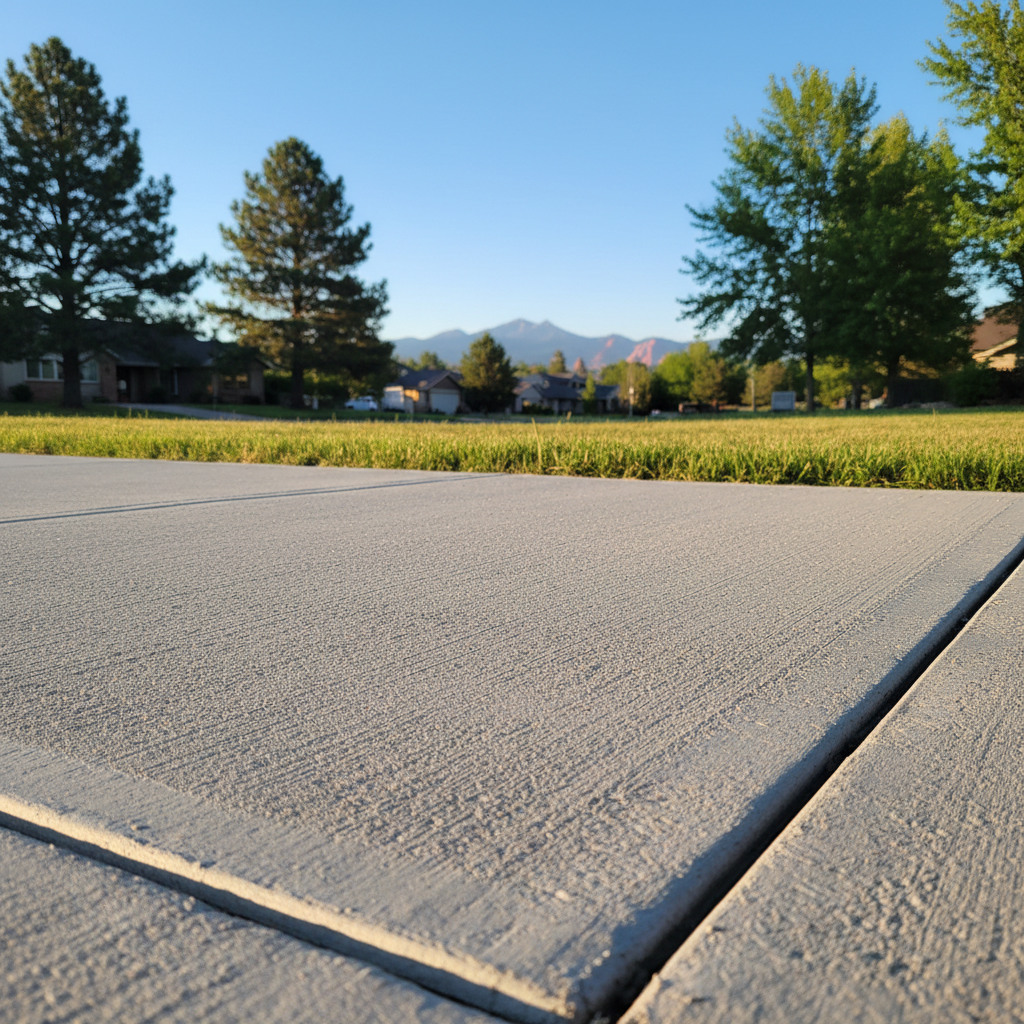
Oh yeah, they're critical. People often mix them up, but they do totally different jobs. Control joints are those cuts you see in the concrete, usually every 4-5 feet. We put those in on purpose to create weak points. Why? Because concrete will crack as it shrinks during curing and as it expands and contracts with temperature changes. Control joints guide those cracks to happen in neat, straight lines where they're less noticeable and less damaging, instead of just randomly spiderwebbing across your whole sidewalk. Expansion joints, on the other hand, are full-depth separations, usually filled with something squishy like asphalt-impregnated fiberboard. You'll see these where a sidewalk meets a house foundation, a driveway, or another fixed structure. They let the concrete expand without pushing against and damaging those other structures. Without them? You'd get buckling, spalling, and some serious headaches.
My sidewalk always seems to have puddles after it rains or snows. What causes that?
That's almost always a drainage issue, plain and simple. Concrete needs a slight slope, what we call 'pitch' or 'fall,' to shed water. If your sidewalk is perfectly flat, or worse, sloping back towards your house or a low spot, water's just going to sit there. In Flagstaff, standing water is a big problem because it'll freeze and thaw, freeze and thaw, and that constant expansion and contraction (we call it the freeze-thaw cycle) will absolutely destroy your concrete over time. It can cause spalling (where the surface flakes off), cracking, and even heaving. When we pour, we make sure there's always a gentle slope, usually about 1/8 to 1/4 inch per foot, directing water away from structures and towards a proper drainage area. Sometimes, if the ground underneath wasn't prepped right, the slab can settle unevenly, creating those low spots later on.
How long does it take for a new concrete sidewalk to cure before I can walk on it?
You can usually walk on it pretty carefully after about 24-48 hours, especially with our dryer Flagstaff air. But "cured" is a different story altogether. Concrete gains most of its strength in the first 7 days, and it keeps getting stronger for about 28 days. So, while you can walk on it after a day or two, you really want to keep heavy traffic, vehicles, or anything that could scuff or damage the surface off for at least a week. We'll often put up barriers or caution tape to make sure nobody accidentally drives a wheelbarrow over it too soon. Proper curing is key to long-term durability, and that means keeping it moist for those first few days, which we handle with curing compounds or by covering it.
What kind of maintenance does a concrete sidewalk need in our climate?
Honestly, concrete is pretty low maintenance, which is one of its big appeals. The main thing is to keep it clean. Sweep off leaves, dirt, and especially pine needles from our Ponderosa pines, as they can hold moisture. If you get spills like oil or grease, clean them up quickly to prevent staining. For snow and ice, you can use a plastic shovel. Just be careful with de-icing salts; some can be really harsh on concrete, especially newer concrete. Look for products that are concrete-safe, often calcium chloride or magnesium chloride based, and use them sparingly. If we've sealed your concrete, that'll give it an extra layer of protection against moisture penetration and stains, and you might want to re-seal it every few years, depending on how much wear and tear it gets.
When is the best time of year to pour a new sidewalk in Flagstaff?
The shoulder seasons are usually ideal for us here at Flagstaff Concrete Paving. Spring (late April through June) and Fall (September through October) are great. You want temperatures that are consistently above freezing, ideally between 50-80 degrees Fahrenheit during the day. Pouring in the dead of summer can be tricky because the concrete can dry too fast, leading to cracking if you're not on top of the curing process. Winter is tough because of the freezing temperatures; you need special precautions and additives to pour concrete when it's cold, and it slows down the curing significantly. So, if you're planning a project, aiming for those milder months gives us the best conditions for a strong, durable finish.