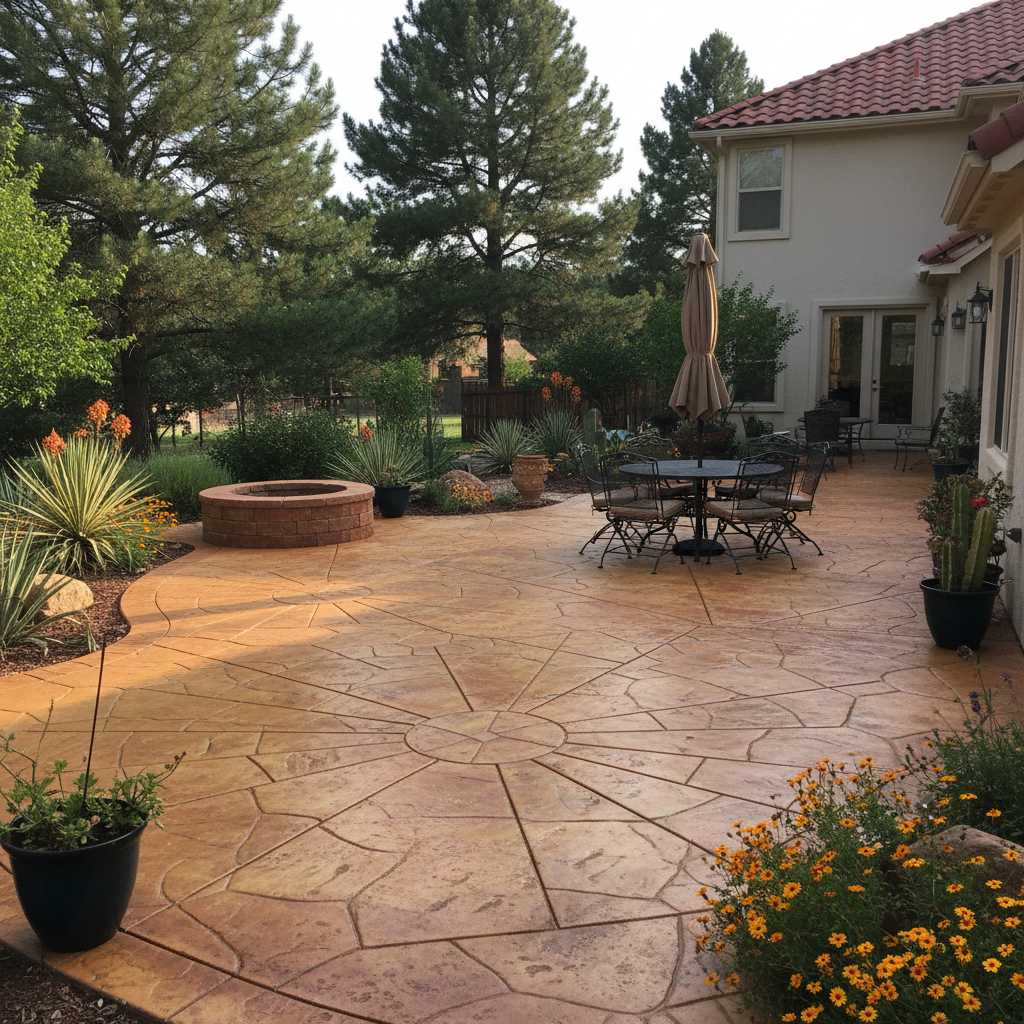
Thinking about a new concrete patio, or maybe just how to keep your current one looking good? Up here in Flagstaff, we really do deal with some pretty unique weather. That means you can't treat concrete the same way folks do down in Phoenix or Tucson, not by a long shot. Our freeze-thaw cycles are no joke; they're actually the biggest enemy of a long-lasting concrete surface.
When's the Best Time to Pour a Patio in Flagstaff?
This is probably the most common question I get asked. You'd think summer, right? Well, not always. While we certainly do a lot of work during the summer months, the ideal window for pouring concrete here in Flagstaff usually stretches from late spring through early fall. I'm talking late April, May, June, and then September, early October. Why those times?
Consistent Temperatures: Concrete cures best when temperatures stay steady — not too hot, not too cold. Those 60-75 degree days we get? They're just perfect. This allows the concrete to gain strength properly, without drying out too fast or freezing before it's truly ready.
Avoiding the Monsoons: July and August can bring some serious afternoon thunderstorms. We can work around them, sure, but a surprise downpour on fresh concrete is a total nightmare. It can wash out the surface, weaken the mix, and generally cause a big headache for everyone. We're always watching the forecast, but avoiding the peak monsoon season if at all possible is just plain smart.
Before the Deep Freeze: You absolutely, positively do not want to pour concrete when temperatures are consistently dropping below freezing, especially at night. The water in the mix can freeze and expand, causing internal damage before the concrete has a chance to fully cure and gain strength. That's actually how you get spalling and cracks early on. We'll sometimes do smaller pours into November if the forecast looks really good, but honestly, it's risky.
So, if you're planning a project, give us a call at Flagstaff Concrete Paving early. The good slots fill up fast, particularly in May and September.
Weather Conditions That Really Matter
It's not just about the temperature, you know; a few other things play a big role:
Wind: Our Flagstaff winds, especially in spring, can be brutal. Strong winds dry out the surface of fresh concrete way too quickly, even if the air temperature isn't all that high. This often leads to plastic shrinkage cracks. We'll use windbreaks or apply curing compounds sooner if it's windy, but it's definitely another factor we have to manage.
Humidity: Low humidity, which we often have, also speeds up drying. Again, it's all about controlling that moisture loss to make sure the concrete cures correctly.
Ground Conditions: This is huge for us. Our soil, especially in areas like Cheshire or around the base of Mount Elden, can have a lot of clay. If it's too wet from recent snowmelt or heavy rain, it can be a real problem for proper compaction and drainage under your patio. We might need to wait for things to dry out, or even bring in specific base materials to ensure a stable foundation. It's that important.
Protecting Your Concrete Patio Year-Round
Once your patio is in, you want it to last, right? Of course. Here's how to protect your investment:
Seal It: This is non-negotiable in Flagstaff. A good quality penetrating sealer is your concrete's best friend up here. It helps repel water, salt, and other chemicals, which is crucial for preventing freeze-thaw damage. I recommend re-sealing every 2-3 years, sometimes more often for high-traffic areas or if you use de-icers.
Avoid De-Icing Salts: Most de-icing salts (especially those with chlorides) are terrible for concrete. They really accelerate freeze-thaw damage and can cause spalling. If you absolutely need to de-ice, look for products labeled as concrete-safe, like those with calcium magnesium acetate (CMA). Better yet, just use sand for traction or simply shovel regularly.
Shovel, Don't Chip: When clearing snow and ice, always use a plastic shovel. Metal shovels or ice choppers can scratch and chip your concrete surface, making it more vulnerable to water penetration. Why risk it?
Clean Regularly: Sweep off leaves, dirt, and debris. Don't let organic matter sit and decompose on your patio, as it can stain and hold moisture. A good pressure wash once a year (on a low setting, not too close!) can help keep it clean.
Mind Your Drainage: Make sure water isn't pooling on your patio or right up against your house. Proper drainage, flowing away from the concrete, is key to preventing water infiltration and the damage that follows.
Taking a little extra care really goes a long way when you live in a place like Flagstaff. Your concrete patio is a big investment, and with these tips, it'll serve you well for decades. If you've got questions about your specific project or need help with maintenance, give us a call at Flagstaff Concrete Paving. We're always happy to talk concrete.